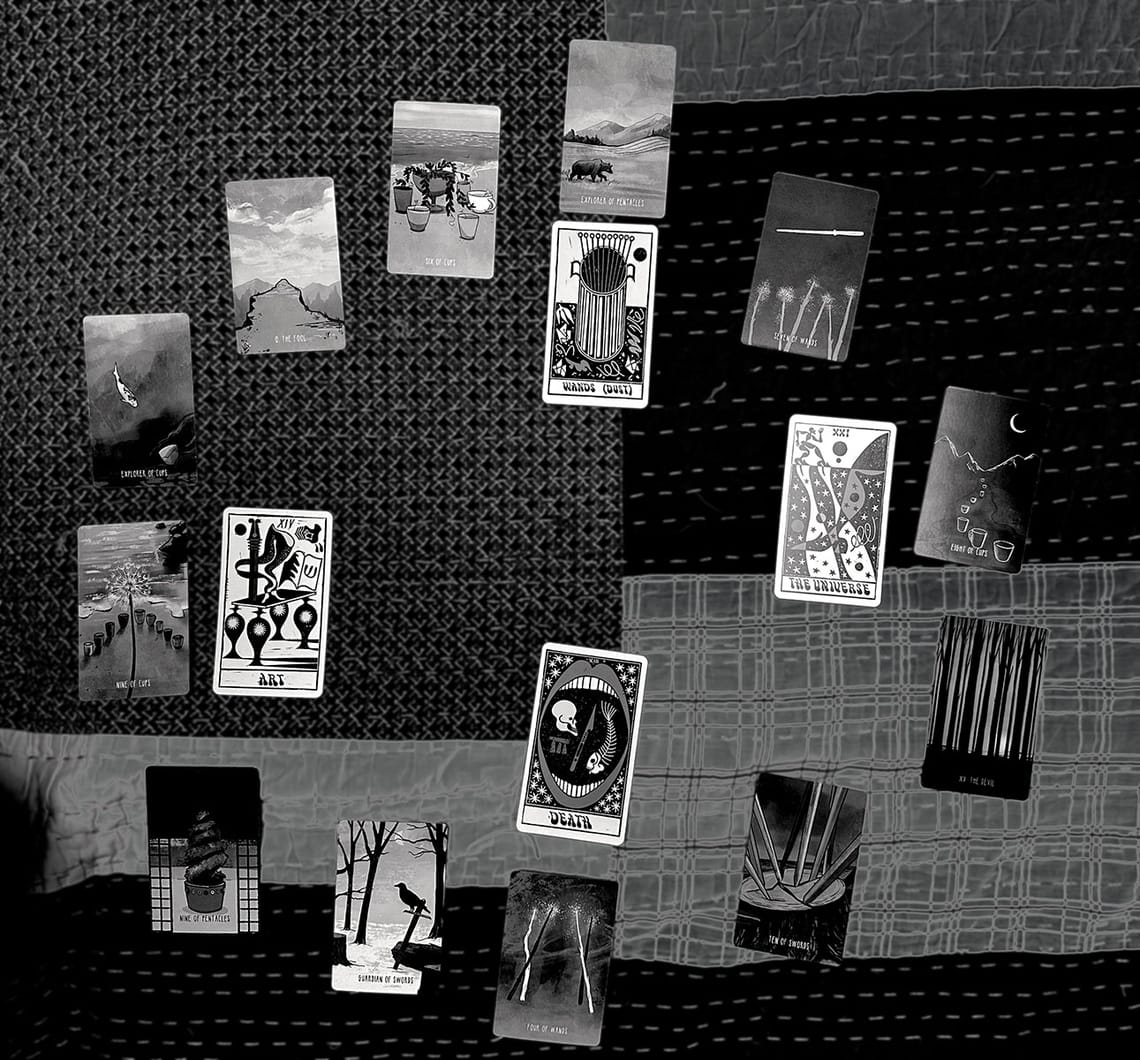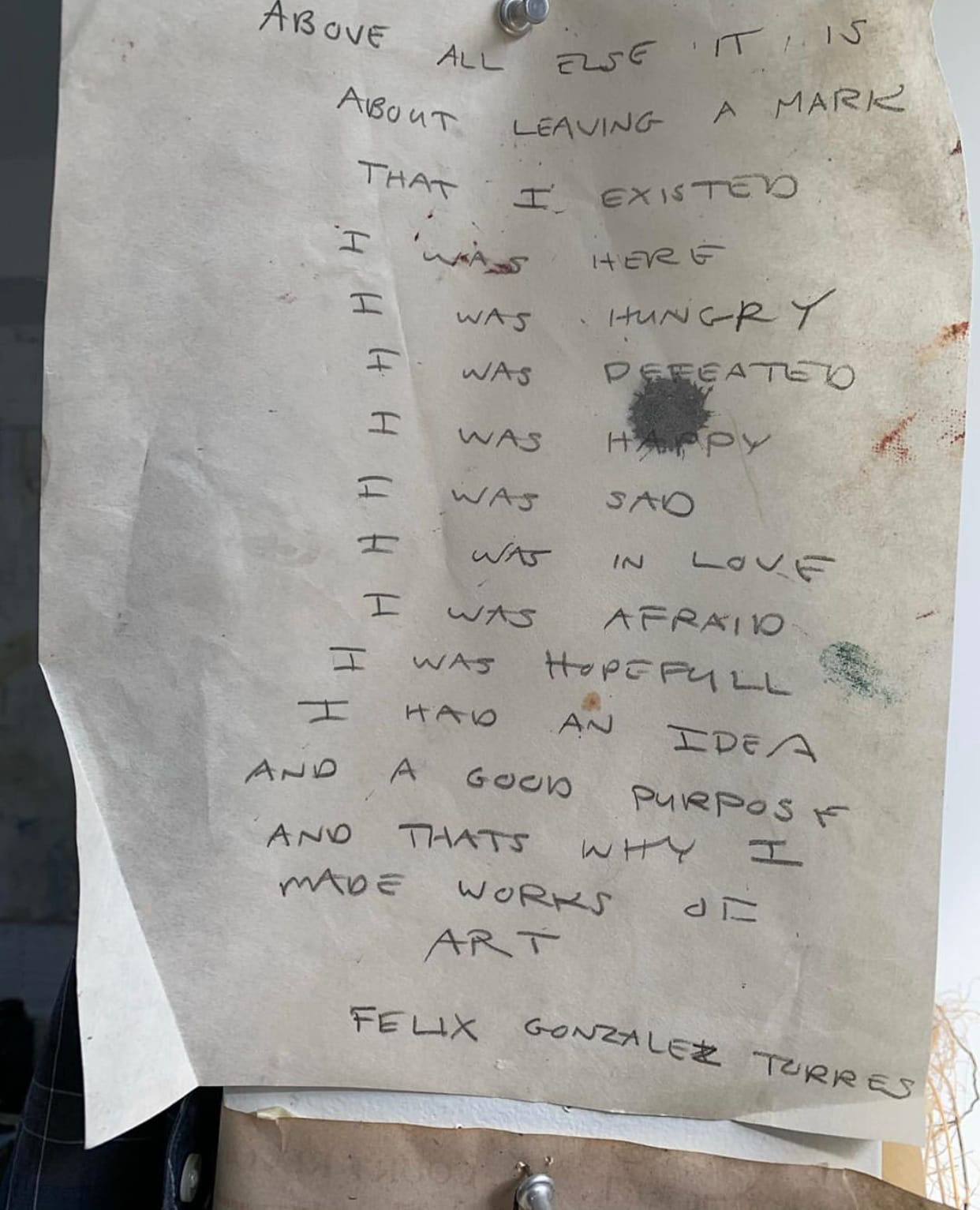
This is not my first rodeo.
And by rodeo, I mean divorce.
That said, significant differences between the two are:
- My prefrontal cortex was not fully developed at the start or at the end of my first marriage, thus executive function was not at full operating capacity.
- This time around there is a child, a mortgage and assets.
- This time around there is also health insurance, therapy and antidepressants.
- What I survived in my first marriage and divorce instilled wisdom, maturity and power that will only exponentially increase in the instance of my surviving this second divorce.
- I ain't no spring chicken no more, for better and for worse.
When I was 24 and had just moved to a new city where I knew no one, I had just begun a graduate program and was still reeling from an attempt on my life at the hands of my ex. I was fully disassociating, and in the first year spent more days than I'd like to admit in a full blown depression staring at my bedroom wall. I got through it—eventually—but I do remember trying to describe to friends at the time what it felt like: it felt like I was a raw, exposed, bloody and pulsing nerve ending. One that everyone could see. Visible and vulnerable. And when beheld, my psyche felt the whole of the world backing away, as if whatever I was afflicted with was a communicable disease. I vehemently disliked feeling seen in that way; I did not want to see myself and I really did not want anyone to see me.
Now, at 50, I've lived through several reckonings that have taken me to the edge of myself and back. While significant and its own brand of especially hard, this is just another one of those. And I know that I will get through it. And that my life will be the richer for it. All that knowing, though, does little to assuage all the million small and deep emotional knife cuts of right now. I don't always have the capacity to deal with the rejection by my tweenage daughter shutting and locking her bedroom door on me when I am so thoroughly rejected on the daily by my soon-to-be-ex husband. I don't have the capacity to remember or to follow through with updating my Canvas shells on a Sunday night before yet another week in the semester beckons, demanding that I be ready, willing and able. I can scarcely grant a care that strangers are openly staring at me at stop lights on the way home, because I am openly weeping on that drive, as going home is the least emotionally safe or welcome feeling at this passage in my life.
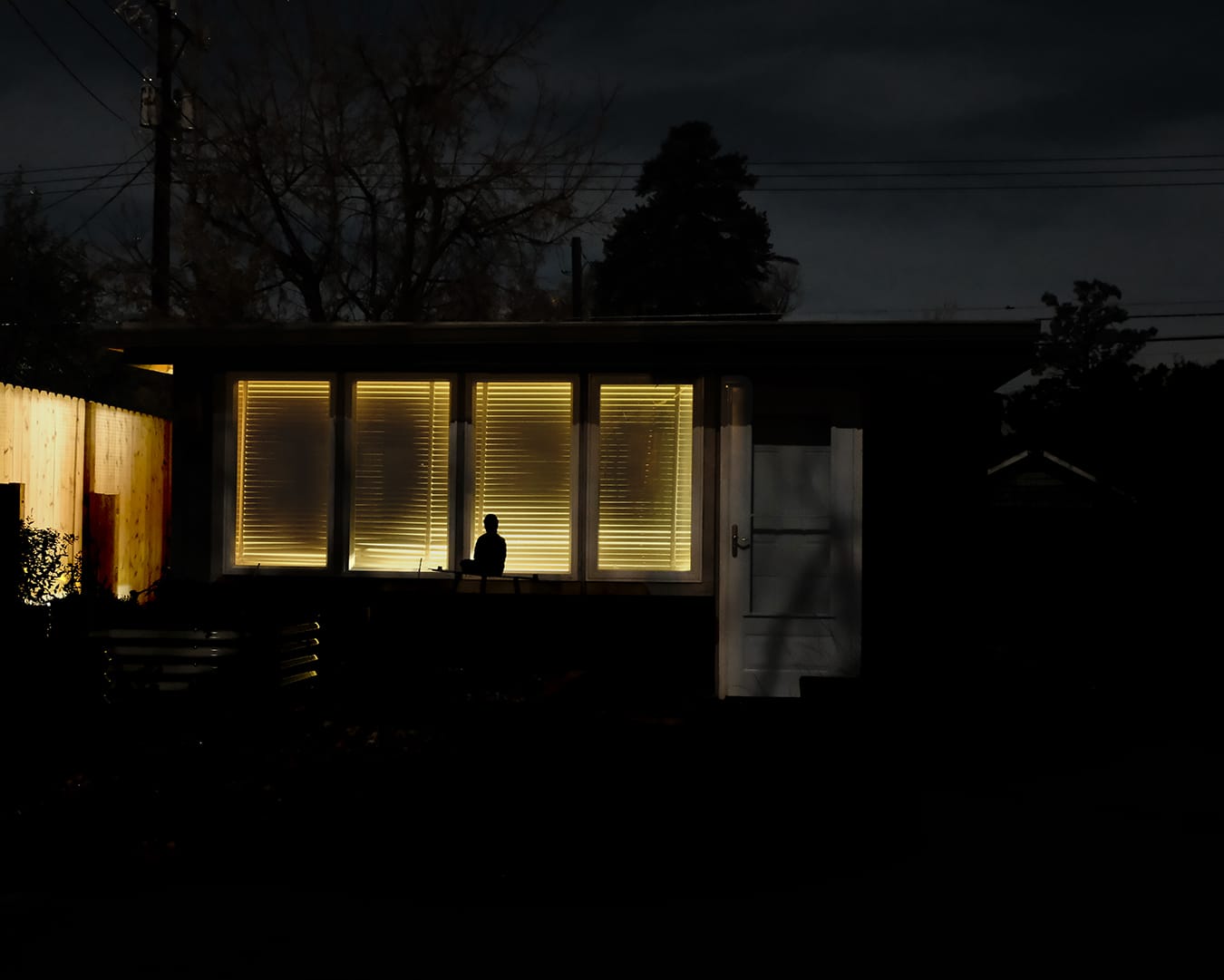
This is writing about keeping it together when you're falling apart. Or more precisely: how I am keeping it together while I feel like I am splitting apart at the seams. And, well, I am. Splitting, that is. Pulling out the thread that no longer suits me, mending lacerations that have been in the garment of myself for years, learning to sew better, to make a more fitting and suitable self to wear.
This is what the sewing looks like:
- I'm asking for help.
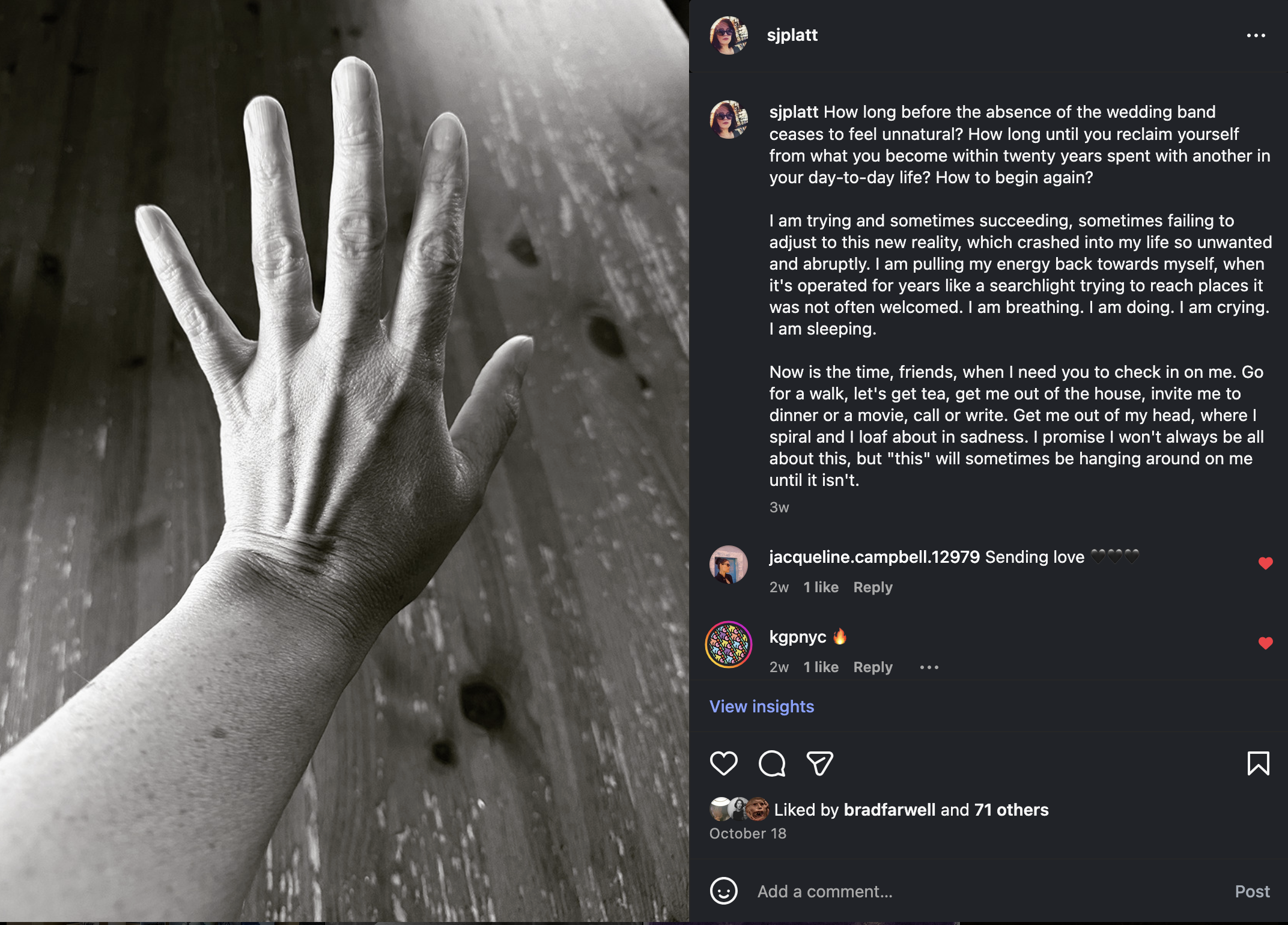
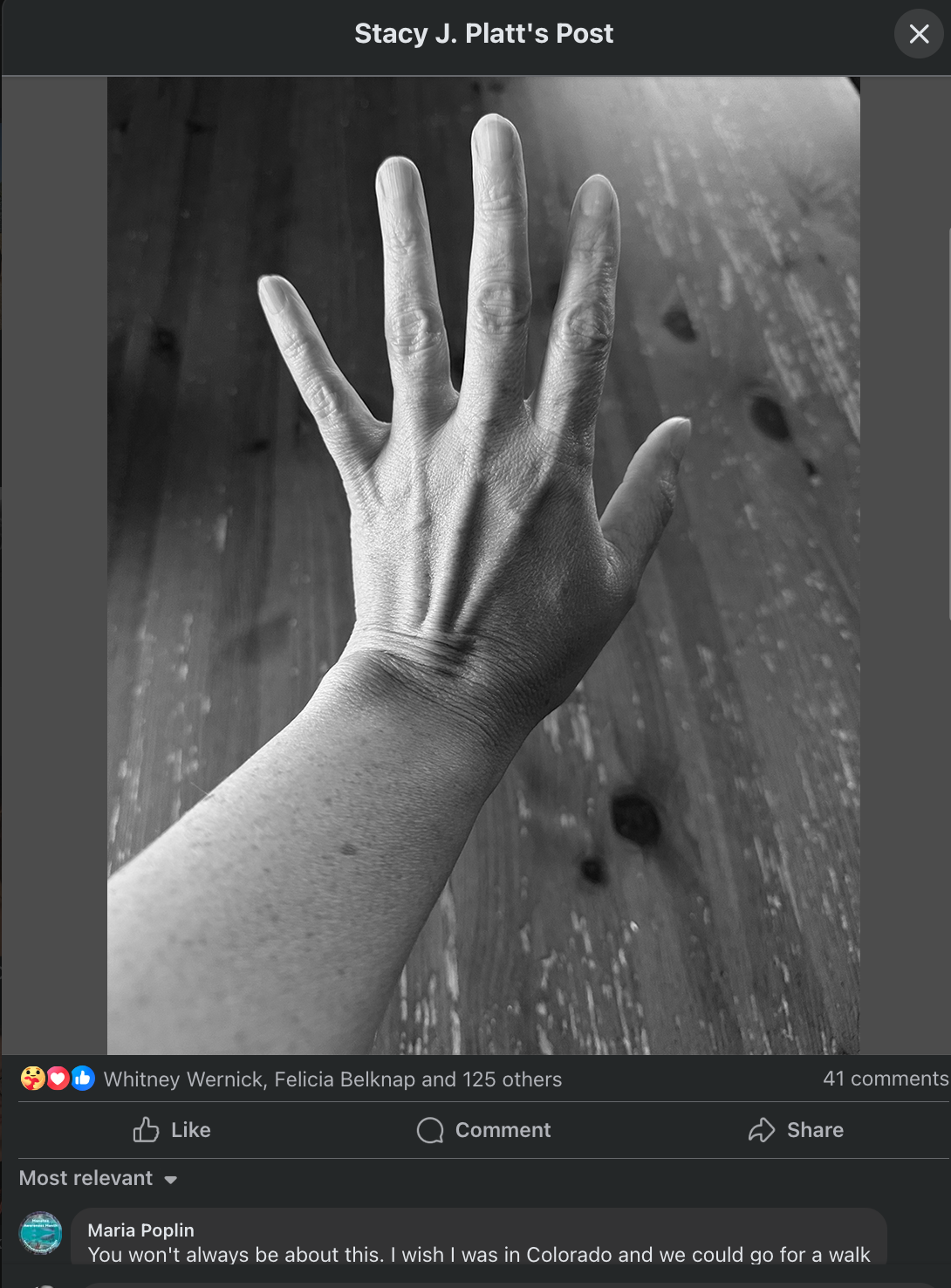
Calling All Angels (or: my big self-care net cast in the ocean of social media)
And accepting it when it arrives. Three friends fed me dinners the week that I asked. Dozens messaged, texted and called. I got big bear hugs. I ugly cried a lot. I recounted histories to people that have known me most of my time living here, things that they never knew, and they held space for me with their jaws on the floor. I reached out to old friends that have known me even longer, that I had guiltily fallen out of touch with; they graciously received me. I told my colleagues that I was going through it, and they are being supportive. I may have drank excessively once or twice. My therapist offered to see me twice a week for however long I needed, at reduced rates. I told my students that I needed some grace from them if I forgot what I was saying mid-sentence, if I looked like I might have just been crying, if I was late on my grading. They were instantly and sweetly responsive and kind. My calendar is full of connection, care, and getting out of my damn head.
It isn't all rosy. I learned in my first divorce that people in your life will take sides, also that your Big!Life!Changes!™ will be too much for some people to want to be near. Those absences and omissions speak as clearly as the presence of those who show up for me do.
- I am making a plan
I like knowing. I like having all of the information. I like spreadsheets; they calm me the fuck down. Like the Gemini rising that I am, I researched the divorce laws in Colorado, learning that they are an equitable distribution state, that there's a formula for figuring out spousal and child support, that there's a spreadsheet for division of debts/assets. I know the urls, usernames and passwords to all the accounts, so I can plug that data in and see my future reality in cells, formulas, and formats that I can commit to emotional muscle memory.
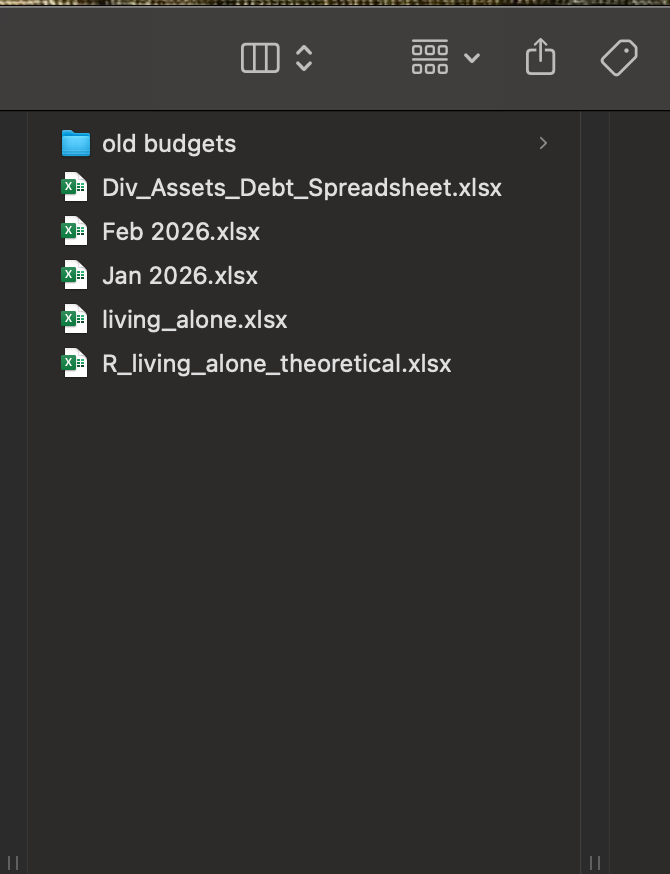
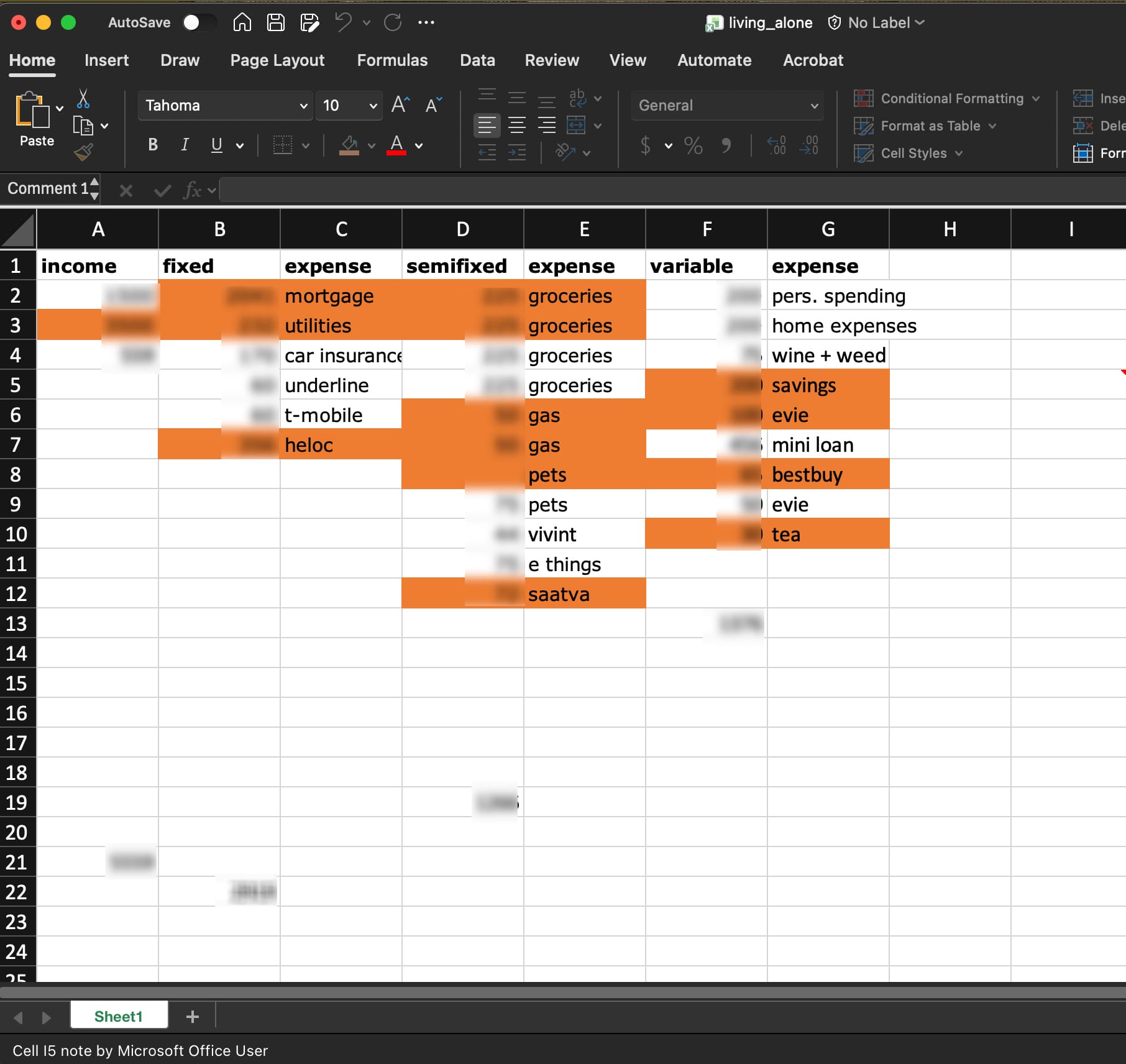
Facts and fictions.
- I am looking, writing, making.
When I had the luxury of being the age of my students and only going through a break-up, every song on the radio (yes the radio) was a metaphor for how I felt. Now specific art, specific stories, specific voices are piercing me through like some martyred saint. Call it curated pain; this is my heartbreak and heart redemption art playlist:
Eli Horn, Water Body 3, Video in birch artist frame, 20 x 14 in
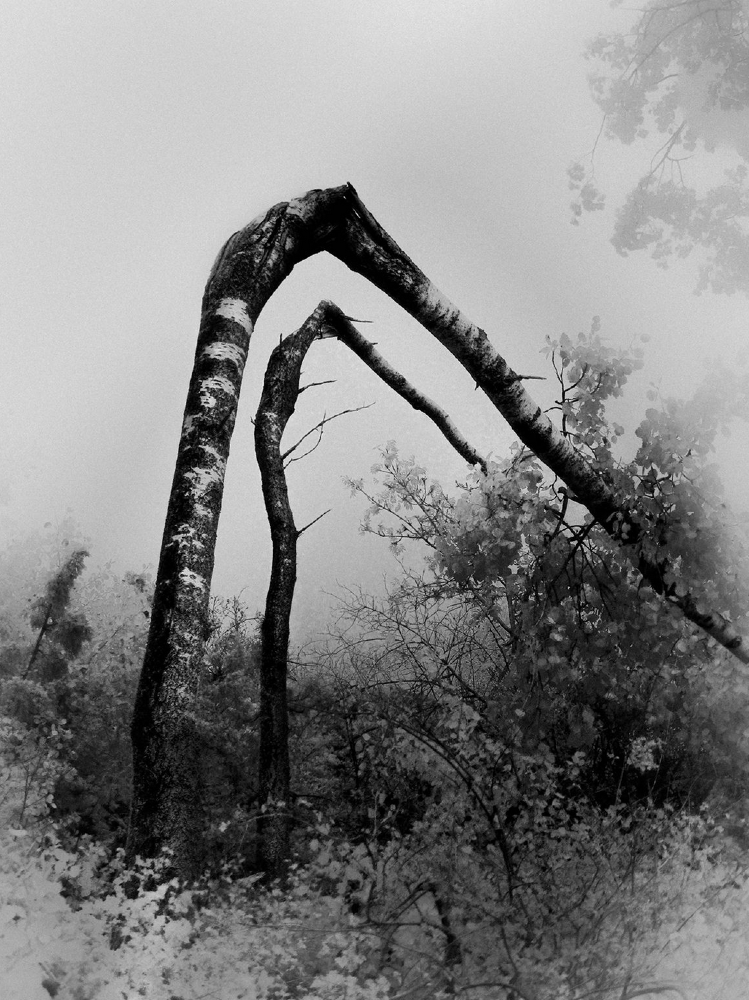
Paul Gambin, Sonic portrait of Noheli, 2025.
Eli Horn's peep-hole views of the infinite embody something both about the immensity of what I'm feeling as well as the utter banality of one of millions—billions?—having felt and feeling it alongside me. Staring at the ocean, allowing vision to be blurred with the sense of the pushing and pulling of the tide reminds me that we're all just star dust. That, to misquote Ram Dass, we are not bodies having a spiritual experience here on earth, but that we are spirits having a bodily experience instead. Also, carving out a piece of the ocean and putting it in a box feels as beautifully futile as a heart breaking is.
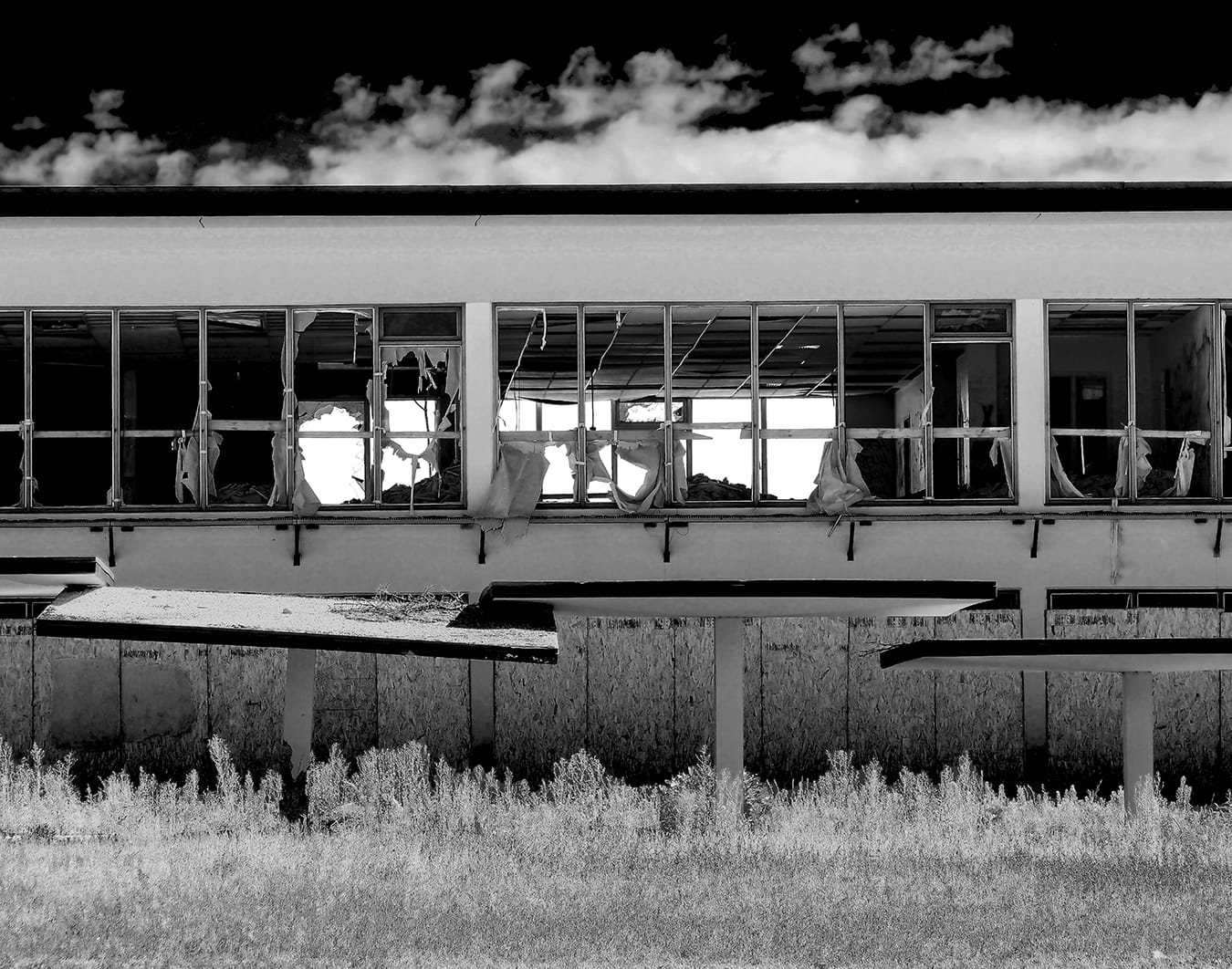
I hope that Francisco Gonzalez Camacho makes a book of this work, and that I procure myself a copy before the print run sells out. The images are quiet, forlorn and spacious. I feel as if I am the last living person moving through the landscapes of his images, regarding a world that has lost all color and is the more beautiful and mournful for it. The Greek philosopher Heraclitus wrote, "No man ever steps in the same river twice, for it's not the same river and he's not the same man." The notion of flux being the only constant was the mantra I internalized during my first divorce, and there's a satisfying synergy in connecting to the idea through Camacho's work in my second uncoupling.
In 2023 I was awarded a generous grant through my University that allowed me to artistically stretch beyond my normal economic means for a spell. The most meaningful of these experiences was taking a workshop with Yael Martínez in the Sacred Valley in Urubamba Peru, which is where I met Paul Gambin and Alejandra Orosco of Maleza Casa e Studio. Paul had recently completed building a sonic camera—which in itself is very fifth-dimension genius insanity—and had begun making a series of moving sound portraits that remind me powerfully of Andy Warhol's screen tests in their slowness and resonance.
Sound envelopes us from all directions, it fills us, sneaks in and reaches our core, our deepest self, sometimes without invitation, often relentless, but seldom detected.
So how does sound affect us? How does it change us physically, and what impacts can it have on us psychologically?
He showed me the camera, which I regret intensely not making a photo of to have as a record for myself. Seeing and hearing the moving portraits also brought to mind Laurie Anderson's Handphone Table (1978), which transforms the human body into a listening device by using the viewer's (listener's?) own bone conduction to tell stories and play songs inside their body. Synesthetic art is an incredibly moving and inimitable experience. Disorienting and terrifying like the biblically correct angels. Also: very similar to the ordeal of divorce.
- I am receiving energy and siezing upon rest.
My beloved mental health professional is a Jungian analyst. One of the firsts ideas she imparted to me years ago was the notion of libido not just as erotic energy (though it is that too), but as life force energy. It's energy that we both have in ourselves and that we disperse to other people, places and situations. When something that has been consuming a sizeable amount of our libido is eliminated or falls out of our lives, that energy is then available to be reclaimed and repurposed by us. I like to think of it as the opposite of the great "Nothing" from the movie the Neverending Story. Instead of this void that consumes everything into a great nihilism, it's this glowing orb that finds bits of gold to add to the glowing, thus glowing bigger, brighter and more capaciously. I'm in the process of reclamation now, and I can feel that life force surging. I have it for my writing, for my art making, for my friendships, for my daughter and also for my students. And my students feed it back to me in their curiosity, their hunger, their willingness to engage, their recognition of the value of their own stories. If I am the nursery rhyme protagonist that had a great fall, they are the ones putting me back together again, piece by energetic piece.
If you enjoyed this post, please consider letting me know you're here and reading by hitting the clapping hands at the left, leaving a comment or best of all, subscribing to the site to get future posts directly emailed to you. It's so reassuring to not be writing into a void.